
INTRODUCTION
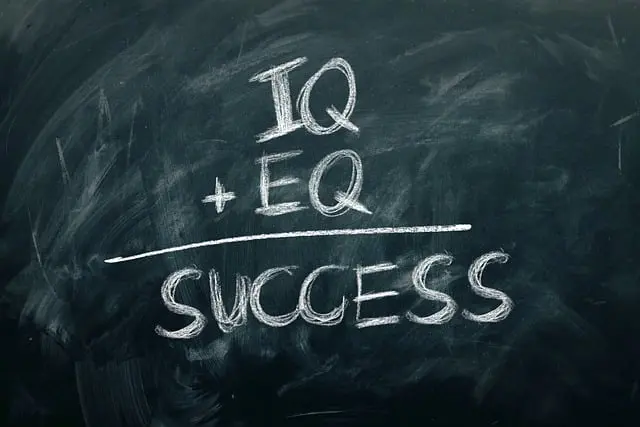
In today's dynamic business environment, the significance of emotional intelligence (EI) in leadership has garnered increasing attention. This article will explore the fundamental aspects of emotional intelligence and its pivotal role in effective leadership. We'll delve into various components of EI, highlight the importance of empathy, and examine the impact of emotional regulation on decision-making.
Furthermore, we'll discuss strategies for cultivating a positive workplace culture through emotional awareness and provide tools for measuring the effectiveness of emotional intelligence in leadership. Real-life examples will illustrate how emotionally intelligent leaders operate and reap the benefits of these skills. Let's embark on this insightful journey.
Understanding emotional intelligence: defining key components and its role in effective leadership
Emotional intelligence encompasses several key components including self-awareness, self-regulation, motivation, empathy, and social skills. Self-awareness allows leaders to understand their own emotions and how they affect others, while self-regulation is about managing one's emotions in stressful situations. Motivation drives leaders to pursue goals with passion and resilience, creating a ripple effect that inspires team members.
Empathy, a crucial element of emotional intelligence, enables leaders to connect with their team members, fostering trust and transparent communication. This connection is essential for effective leadership as it helps create an inclusive environment where diverse opinions are recognized and valued. Leaders who harness the power of emotional intelligence are more adept at resolving conflicts and inspiring collaboration among team members.
Developing empathy as a leadership skill: techniques to enhance connection and understanding with team members
Empathy in leadership can be cultivated through various techniques that enhance a leader's ability to connect with their team. Active listening, for instance, goes beyond hearing words; it involves being fully present and engaged in conversations. By genuinely valuing team members' viewpoints and concerns, leaders can build stronger relationships based on trust and respect.
Additionally, practicing perspective-taking—putting oneself in another person's shoes—can deepen understanding and encourage more open dialogue. Leaders can also benefit from regular feedback sessions, which not only help them gauge their effectiveness but also demonstrate their commitment to understanding their team members' experiences and challenges.
The impact of emotional regulation on decision-making: how leaders can manage their emotions for better outcomes
Effective leaders recognize the importance of emotional regulation in their decision-making processes. When faced with high-pressure situations, leaders who can manage their emotions are better equipped to think clearly, assess risks accurately, and make informed decisions. Emotional regulation necessitates awareness of one's emotional state and the ability to control impulsive reactions, allowing for more strategic thinking.
Moreover, leaders who demonstrate emotional regulation serve as role models for their teams, highlighting the importance of maintaining composure during challenging times. This cultivates a calm environment that encourages thoughtful discussion and constructive problem-solving, enhancing overall team performance and cohesion.
Cultivating a positive work culture through emotional awareness: strategies for fostering an inclusive environment
To cultivate a positive work culture, leaders must prioritize emotional awareness within their organizations. Strategies such as promoting open communication, encouraging teamwork, and recognizing individual contributions can significantly enhance emotional awareness. Leaders should strive to create an environment where employees feel safe to express their thoughts and emotions without fear of retribution.
Furthermore, incorporating team-building activities focused on emotional intelligence can foster stronger relationships among colleagues. Workshops and training sessions on emotional awareness can equip employees with the skills needed to understand and manage their emotions effectively, resulting in a more harmonious workplace.
Measuring the effectiveness of emotional intelligence in leadership: tools and metrics that can help assess leadership performance
Assessing the effectiveness of emotional intelligence in leadership can be accomplished through various tools and metrics. 360-degree feedback surveys are particularly useful as they allow leaders to gain insights from peers, subordinates, and supervisors. This comprehensive perspective helps identify areas of strength and opportunities for growth in emotional intelligence.
Additionally, emotional intelligence assessments, such as the Emotional Quotient Inventory (EQ-i), provide quantifiable data that can guide leaders in honing their EI skills. Regularly utilizing these assessments can facilitate ongoing development and ensure that leaders are continuously evolving in their emotional intelligence journey.
Real-life examples of emotionally intelligent leaders: case studies that illustrate the benefits of these skills in action
Numerous leaders exemplify the virtues of emotional intelligence in action. For example, Howard Schultz, former CEO of Starbucks, emphasized empathy and connection as key elements of his leadership style. Through fostering a culture of care and inclusivity, Schultz positioned Starbucks as a brand that resonates deeply with customers and employees alike.
Similarly, Satya Nadella, CEO of Microsoft, transformed the company culture by promoting a growth mindset and empathy. His emotionally intelligent approach led to increased employee engagement and innovation, positioning Microsoft as a leader in the tech industry. These real-life examples underscore the tangible benefits of implementing emotional intelligence in leadership.
CONCLUSION
In conclusion, emotional intelligence serves as a cornerstone of effective leadership, influencing decision-making, team dynamics, and overall workplace culture. By developing emotional intelligence skills, leaders can enhance connections with their team, foster a positive work environment, and drive organizational success. As we navigate a rapidly changing world, the importance of emotional intelligence in leadership will only continue to grow.
FAQs
What is emotional intelligence?
Emotional intelligence refers to the ability to recognize, understand, and manage one's own emotions while also being able to empathize with others and navigate social complexities.
How can emotional intelligence be developed?
Emotional intelligence can be developed through practices such as self-reflection, seeking feedback, engaging in active listening, and participating in training programs focused on emotional awareness.
What are the benefits of emotional intelligence in leadership?
Leaders with high emotional intelligence can create a more collaborative work environment, improve employee morale, enhance decision-making, and successfully navigate conflicts, leading to better overall performance.
Can emotional intelligence be measured?
Yes, various tools and assessments exist to measure emotional intelligence, including self-reported questionnaires and peer feedback assessments, providing insights into an individual's emotional competencies.