
Introduction
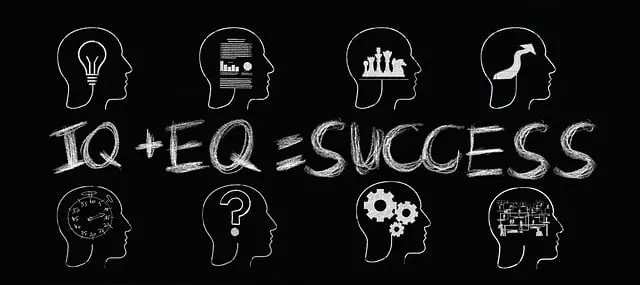
Emotional intelligence (EI) plays a pivotal role in leadership effectiveness. This article delves into the significance of emotional intelligence, exploring how it enables leaders to recognize and manage their own emotions as well as those of their team members. We will discuss key areas such as understanding emotions, building strong relationships, decision-making in leadership, conflict resolution, leading with authenticity, and strategies for developing emotional intelligence.
By the end of this piece, readers will appreciate the intricate connection between emotional intelligence and successful leadership. Let’s explore how honing EI can transform not only individual leaders but also entire organizations by fostering a more connected and resilient workplace culture.
Understanding Emotions: Recognizing and Managing Your Own and Others' Feelings
To lead effectively, one must first understand the nuances of emotions—both personal and interpersonal. Recognizing one's own feelings allows a leader to respond rather than react impulsively, facilitating better decision-making under pressure. Leaders with high emotional awareness can identify their triggers and regulate their emotional responses, resulting in more thoughtful and composed leadership.
Moreover, understanding the emotions of others is just as crucial. Leaders equipped with this skill can empathize with team members, offering support and guidance tailored to individual emotional states. This understanding fosters a positive work environment and enhances employee morale, ultimately contributing to organizational success.
Building Strong Relationships: How Empathy and Social Skills Enhance Team Dynamics
The foundation of any effective team lies in the strength of its relationships. Empathy—a core component of emotional intelligence—allows leaders to connect with their team members on a deeper level. This emotional connection fosters trust, collaboration, and open communication, which are essential for high-performing teams.
Furthermore, social skills—another critical aspect of emotional intelligence—enhance a leader's ability to interact with their team. When leaders communicate effectively and cultivate strong interpersonal relationships, they create an atmosphere of respect and inclusion. This not only boosts morale but also encourages creativity and innovation within the team.
Decision-Making in Leadership: The Role of Emotional Intelligence in Making Informed Choices
In the complex and often high-stakes realm of leadership, decision-making requires a delicate balance of rationality and emotional insight. A leader’s emotional intelligence informs their decision-making process by allowing them to gauge the emotional climate within their team and anticipate how decisions will affect individuals and the group as a whole.
Making informed choices means considering the perspectives and emotions of others involved. EI guides leaders in weighing consequences and evaluating options in a way that aligns with both organizational goals and the well-being of their team members. This holistic approach leads to more sustainable and accepted decisions.
Conflict Resolution: Using Emotional Awareness to Navigate Disputes
Conflicts are inevitable in any workplace, but leaders with high emotional intelligence can navigate these disputes effectively. By using their emotional awareness, these leaders can assess the underlying emotions driving the conflict and approach it with empathy, without escalating the situation further.
Moreover, emotionally intelligent leaders can facilitate constructive conversations during conflicts. They know how to encourage dialogue among conflicting parties, helping them voice their feelings and perspectives. This approach not only resolves the immediate issue but also strengthens relationships and fosters a culture of open communication.
Leading with Authenticity: Fostering Trust Through Emotional Connection
Authenticity in leadership is rooted in emotional intelligence. When leaders are transparent and genuine in their interactions, they foster trust among team members. Employees are more likely to engage and feel valued when they perceive their leader as approachable and sincere.
Authentic leaders who share their emotions and vulnerabilities create a sense of belonging within their teams. This openness encourages others to be authentic as well, cultivating a supportive environment where individuals feel safe to express themselves and contribute fully.
Developing Emotional Intelligence: Strategies for Personal and Professional Growth
Developing emotional intelligence is an ongoing process that can significantly impact personal and professional growth. One effective strategy is seeking feedback from peers and mentors. Constructive criticism helps individuals identify areas for improvement and refine their emotional awareness.
Additionally, engaging in self-reflection can deepen one's understanding of personal triggers and emotional responses. Regularly assessing one’s emotions can aid in developing stronger emotional regulation skills, which are essential for both personal well-being and professional effectiveness.
Conclusion
In conclusion, emotional intelligence is crucial for successful leadership. It empowers leaders to understand and manage emotions, fosters strong relationships, and enhances decision-making and conflict resolution capabilities. By committing to the development of emotional intelligence, leaders can create workplaces characterized by trust, collaboration, and innovation.
FAQs
What is emotional intelligence?
Emotional intelligence is the ability to recognize, understand, and manage our own emotions and the emotions of others. It encompasses skills such as empathy, emotional awareness, and social skills.
How does emotional intelligence influence leadership?
Emotional intelligence influences leadership by enabling leaders to connect with their teams, navigate conflicts, make informed decisions, and foster trust through authentic relationships.
Can emotional intelligence be developed?
Yes, emotional intelligence can be developed through self-awareness activities, seeking feedback, practicing empathy, and engaging in self-reflection.