
INTRODUCTION
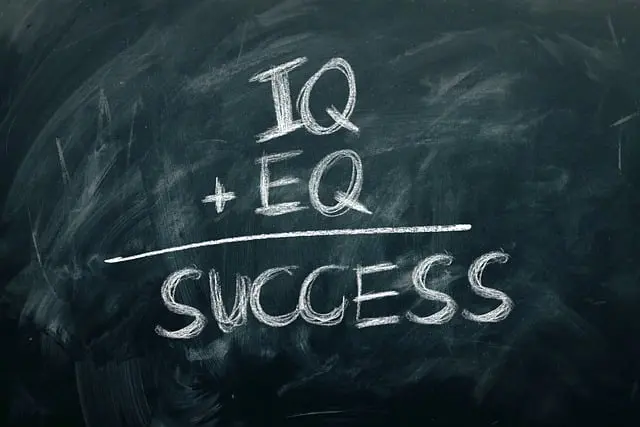
The modern business landscape demands leaders who are not only knowledgeable and strategic but also emotionally intelligent. This article delves into the crucial role of emotional intelligence (EI) in successful leadership. It aims to explore how self-awareness, empathy, conflict resolution skills, resilience, and a positive workplace culture contribute to effective leadership.
We will discuss practical strategies for cultivating emotional skills that empower leaders to foster stronger connections within their teams. By understanding the various facets of emotional intelligence, leaders can enhance their effectiveness and create an environment conducive to success.
Understanding emotions: the role of self-awareness in effective leadership
Self-awareness is a fundamental component of emotional intelligence, particularly in leadership. It involves recognizing one's emotions, strengths, weaknesses, and the impact these have on decision-making and relationships. Leaders who possess self-awareness can make informed decisions, communicate effectively, and connect with their teams on a deeper level.
Moreover, self-aware leaders inspire confidence and trust among team members. They demonstrate authenticity, which enhances their credibility and fosters an atmosphere where others feel safe to express their thoughts and ideas. The ripple effect of such transparency can lead to increased collaboration and a sense of belonging within the organization.
Empathy in action: fostering connections and trust among team members
Empathy is the ability to understand and share the feelings of others, and it plays a vital role in leadership. Empathetic leaders listen actively, consider diverse perspectives, and adapt their communication styles to meet the emotional needs of their team members. This creates a strong foundation for trust and respect within the team.
By fostering connections through empathy, leaders can encourage open dialogue and collaboration. When employees feel understood and valued, they are more likely to be engaged and committed to their work. Empathy not only strengthens relationships but also drives performance by creating a more cohesive and motivated team.
Conflict resolution: using emotional intelligence to navigate difficult conversations
Conflict is an unavoidable aspect of any workplace, but how leaders handle it can significantly impact team dynamics. Leaders with high emotional intelligence are better equipped to navigate difficult conversations. They approach conflicts with composure, treat all parties fairly, and strive to understand the underlying emotions driving the disagreement.
By addressing conflicts with empathy and an open mindset, emotionally intelligent leaders can facilitate constructive discussions that lead to resolution rather than escalation. This approach not only resolves issues but also promotes a culture of openness, where team members feel empowered to address problems before they grow into larger disputes.
Building resilience: how emotional intelligence supports adaptive leadership
Resilience is key to effective leadership, especially in turbulent times. Emotionally intelligent leaders understand that setbacks and challenges are part of the journey. They cultivate their own resilience, as well as that of their team members, by promoting a growth mindset and encouraging adaptability.
Leaders who demonstrate resilience inspire their teams to remain focused and tackle challenges head-on. By acknowledging emotions and providing support during tough times, they create a more supportive work environment, allowing employees to bounce back from adversity and maintain high levels of productivity.
Cultivating a positive workplace culture: strategies for emotionally intelligent leadership
A positive workplace culture is essential for employee satisfaction and retention. Emotionally intelligent leaders play a pivotal role in shaping this culture by promoting values such as respect, collaboration, and inclusivity. Implementing regular check-ins, feedback sessions, and recognition initiatives can reinforce this culture.
Furthermore, fostering psychological safety allows team members to voice concerns without fear of retaliation. Leaders can promote this by modeling vulnerability, encouraging open communication, and demonstrating appreciation for diverse inputs, ultimately leading to a more motivated and innovative workforce.
Developing emotional skills: training resources and practices for leaders
To enhance emotional intelligence, leaders should prioritize ongoing development and training. Several resources, such as workshops, online courses, and coaching, can be extremely beneficial. These platforms often employ practical exercises designed to strengthen skills like self-awareness, empathy, and conflict resolution.
Additionally, incorporating mindfulness practices, such as meditation and reflective journaling, can help leaders develop greater self-awareness and emotional regulation. By investing time and effort into personal and professional growth, leaders can improve their emotional intelligence and, consequently, their leadership effectiveness.
CONCLUSION
In conclusion, emotional intelligence is an essential quality for successful leadership. By developing self-awareness, fostering empathy, navigating conflicts effectively, building resilience, cultivating a positive workplace culture, and investing in personal growth, leaders can significantly enhance their ability to lead their teams effectively. As organizations continue to evolve, embracing emotional intelligence will be crucial for achieving sustainable success.
FAQs
What is emotional intelligence?
Emotional intelligence is the ability to recognize and manage one’s own emotions as well as the emotions of others. It encompasses skills such as self-awareness, empathy, and emotional regulation.
Why is emotional intelligence important for leaders?
Emotional intelligence is important for leaders because it enables them to build strong relationships, navigate challenges effectively, and create a positive workplace culture, all of which contribute to organizational success.
How can I improve my emotional intelligence as a leader?
You can improve your emotional intelligence through self-reflection, seeking feedback, participating in training programs, and practicing mindfulness techniques to enhance self-awareness and emotional regulation.