
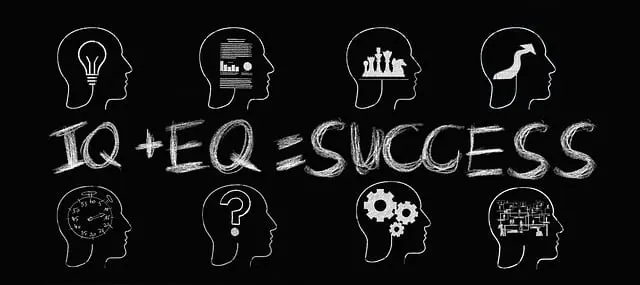
INTRODUCTION
In today's fast-paced and evolving business landscape, effective leadership is paramount for organizational success. At the heart of outstanding leadership lies emotional intelligence (EI), a key attribute enabling leaders to connect with their teams on a deeper level. This article delves into various facets of emotional intelligence, examining its significance in leadership effectiveness, relationship building, conflict management, team motivation, skill development, and measurement of success.
Understanding and harnessing emotional intelligence can help leaders not only navigate challenges but also inspire trust and collaboration among team members, ultimately fostering a positive workplace culture conducive to growth. We will explore practical exercises for developing EI, analyze its impact on leadership outcomes, and encapsulate insights and strategies that leaders can integrate into their practices.
Understanding Emotional Intelligence
Emotional intelligence encompasses the ability to recognize, understand, and manage our own emotions, as well as the emotions of others. Two pivotal components of EI are self-awareness and empathy, which play a vital role in a leader's effectiveness. Self-awareness allows leaders to reflect on their behavior, motivations, and emotional triggers, thereby fostering personal growth and better decision-making. When leaders possess a strong sense of self-awareness, they can assess how their actions affect their teams, creating an environment of accountability and trust.
Empathy complements self-awareness by enabling leaders to demonstrate understanding and compassion toward their team members. Empathetic leaders strive to view situations from others' perspectives, allowing them to build stronger relationships, enhance communication, and minimize misunderstandings. This combination of self-awareness and empathy cultivates a supportive atmosphere where employees feel valued and engaged, ultimately promoting a more unified and productive workforce.
Building Relationships
Developing strong relationships is critical for leaders who wish to create cohesive and collaborative teams. Emotional intelligence serves as a catalyst for fostering trust and open communication among team members. When leaders display authenticity and vulnerability, they encourage their employees to share ideas, concerns, and aspirations. This openness fosters a sense of belonging and encourages collaboration, driving excellent results and innovation.
Moreover, emotionally intelligent leaders leverage their interpersonal skills to navigate complex dynamics within teams. By actively listening and acknowledging diverse viewpoints, they can cultivate a mutual respect among team members, creating a supportive atmosphere that leads to enhanced teamwork and collaboration.
Managing Conflicts
In any organization, conflicts are inevitable. However, leaders equipped with emotional intelligence possess the skills necessary to manage and resolve disputes effectively. Recognizing and addressing emotional cues during conflict situations enables leaders to approach challenges constructively, seeking resolutions that are satisfactory for all parties involved. Instead of allowing conflicts to escalate, emotionally intelligent leaders employ active listening and negotiation techniques to facilitate dialogue and understanding.
Additionally, leaders who emphasize emotional intelligence can create a safe space for discussing grievances and provide channels for team members to communicate openly. This approach significantly reduces workplace tension and fosters a culture of transparency, ultimately leading to faster conflict resolution and a more harmonious work environment.
Motivating Teams
Inspiration and engagement are essential for leading effective teams. Leaders who harness emotional intelligence are adept at motivating their employees, ensuring that individuals feel recognized and fulfilled in their roles. By understanding what drives each team member—whether it's professional growth, recognition, or autonomy—leaders can tailor their motivational strategies to meet these needs. This personalized approach enhances employee satisfaction and productivity.
Furthermore, emotionally intelligent leaders convey passion and enthusiasm, igniting this fervor within their teams. By fostering a shared vision and demonstrating commitment to the organization's goals, leaders can create a sense of purpose that resonates with employees, inspiring them to strive toward collective success.
Developing Emotional Intelligence
While some individuals may innately possess higher levels of emotional intelligence, it is also a trainable skill. Leaders can develop their EI through intentional practice and self-reflection. Engaging in activities such as mindfulness meditation, self-assessment, and seeking feedback from peers can pave the way for significant improvements in emotional awareness and regulation. Additionally, training programs focusing on communication, conflict resolution, and empathy can further enhance these abilities.
Various resources, including workshops, books, and online courses, provide valuable insights and practical exercises for leaders aiming to cultivate their emotional intelligence. Investing time and effort into developing EI not only benefits individual leaders but also contributes to the overall organizational culture, ultimately resulting in enhanced leadership capabilities.
Measuring Success
The impact of emotional intelligence on leadership outcomes can be assessed through several metrics, including employee engagement, retention rates, and overall team performance. By tracking these indicators, organizations can determine the effectiveness of emotionally intelligent leadership strategies. Furthermore, fostering a culture of continuous feedback allows for ongoing evaluation and improvement, ensuring that emotional intelligence remains a priority within the leadership framework.
Surveys and assessments targeting emotional intelligence competencies can also provide valuable insights into areas of strength and opportunity for leaders. By committing to regular measurement, organizations can gauge the transformative power of emotional intelligence as a fundamental aspect of successful leadership.
CONCLUSION
In conclusion, emotional intelligence plays a pivotal role in successful leadership. By integrating self-awareness and empathy into their approach, leaders can build stronger relationships, manage conflicts effectively, and motivate their teams. Continuous development of emotional intelligence is crucial for cultivating a high-performing organizational culture. As businesses continue to evolve, embracing emotional intelligence will remain paramount for leaders aspiring to excel in today's competitive landscape.
FAQs
What is emotional intelligence?
Emotional intelligence refers to the ability to recognize, understand, and manage emotions in oneself and others, playing a vital role in interpersonal relationships and effective leadership.
Why is emotional intelligence important for leaders?
Emotional intelligence helps leaders to build trust, manage conflicts, motivate teams, and foster collaboration. It enhances overall leadership effectiveness and promotes a positive workplace culture.
How can leaders develop their emotional intelligence?
Leaders can develop their emotional intelligence through self-reflection, mindfulness practices, seeking feedback, and participating in training focused on communication and empathy skills.
What are the signs of emotionally intelligent leadership?
Signs of emotionally intelligent leadership include empathetic behavior, effective conflict resolution, open communication, and a supportive atmosphere that fosters trust and inclusivity among team members.