
INTRODUCTION
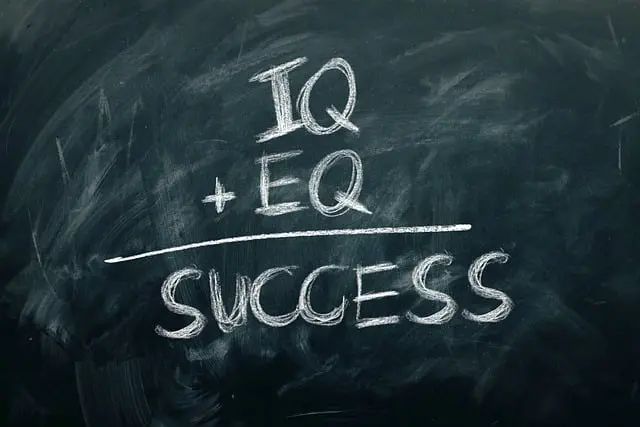
In today’s fast-paced corporate environment, emotional intelligence (EI) has emerged as a critical component of successful leadership. This article explores the key components of emotional intelligence and its significance in leadership roles. Understanding how emotional intelligence fosters trust and collaboration will be examined, followed by insights on managing conflict through effective emotional communication. Conclusively, we will encapsulate the importance of emotional intelligence in thriving leadership.
Understanding Emotional Intelligence: Key Components and Importance for Leaders
Emotional intelligence is often defined by five key components: self-awareness, self-regulation, motivation, empathy, and social skills. Self-awareness entails recognizing one's own emotions and their effects on others, an essential trait for leaders who drive group dynamics. Self-regulation involves managing one's emotional reactions to different situations, thereby maintaining a calm and constructive work atmosphere.
Furthermore, motivation pushes individuals to pursue goals with energy and persistence. Empathy, another vital aspect of EI, enables leaders to understand and address their team members' feelings and perspectives, leading to more informed decision-making. Lastly, strong social skills facilitate effective communication, negotiation, and conflict resolution—an indispensable bundle for any effective leader.
Building Relationships: How Emotional Intelligence Fosters Trust and Collaboration
In a professional setting, emotional intelligence is pivotal in forging relationships built on trust and respect. Leaders with high emotional intelligence can relate to their team members on a personal level, making them feel valued and understood. This nurturing atmosphere encourages open dialogue, where team members are more likely to share ideas and collaborate freely.
Moreover, leaders who prioritize emotional intelligence set a cultural precedent. By modeling behaviors such as active listening, compassion, and transparency, they encourage similar interactions among team members. These practices not only strengthen interpersonal relationships but also drive team cohesion, ultimately propelling the organization towards achieving its goals.
Managing Conflict: Using Emotional Intelligence to Navigate Tough Conversations
Conflict is inevitable in any organizational environment; however, emotional intelligence equips leaders with the tools needed to manage and resolve disputes effectively. Leaders who possess strong emotional comprehension can navigate difficult conversations and mediate disagreements, ensuring that they address underlying issues rather than merely symptoms.
When faced with conflict, an emotionally intelligent leader approaches the situation with empathy and composure. They actively listen to all parties involved and seek solutions that are satisfactory for everyone. This proactive method reduces tension and promotes a culture of respect, paving the way for innovative problem-solving moving forward.
CONCLUSION
In summary, emotional intelligence plays a vital role in successful leadership by enhancing the ability to understand one’s own emotions and those of others, fostering strong relationships, and effectively managing conflicts. Leaders equipped with high emotional intelligence are better prepared to create supportive environments conducive to collaboration and innovation. Ultimately, developing emotional intelligence is not just beneficial for individual leaders but also for the entire organizational ecosystem.
FAQs
What is emotional intelligence?
Emotional intelligence refers to the ability to recognize, understand, and manage our own emotions while also being aware of the emotions of others. It encompasses skills such as self-awareness, empathy, and interpersonal communication.
Why is emotional intelligence important for leaders?
Leaders with high emotional intelligence can foster better communication, build trust, and effectively manage conflicts within their teams. This contributes to a positive work environment and drives overall organizational success.
How can leaders improve their emotional intelligence?
Leaders can improve their emotional intelligence through self-reflection, seeking feedback from others, engaging in active listening, and practicing empathetic responses. Training and workshops can also provide valuable tools and strategies for enhancement.