
INTRODUCTION
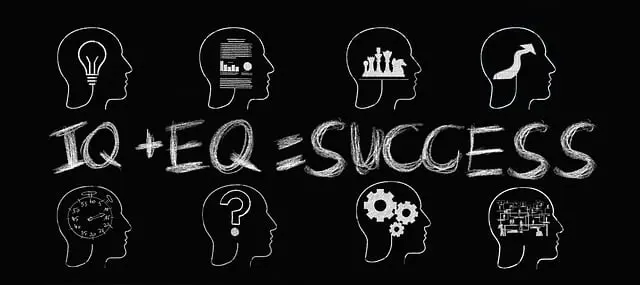
In today's fast-paced business environment, the significance of emotional intelligence (EI) cannot be overstated. Effective leadership hinges not only on cognitive abilities but also on emotional awareness and interpersonal skills. This article aims to explore various facets of emotional intelligence and its essential role in leadership success.
We will delve into the characteristics that define emotional intelligence, strategies to build empathy among team members, techniques for emotional regulation, and the importance of self-awareness. Additionally, we will examine how interpersonal skills foster better communication and how leveraging emotional intelligence can facilitate conflict resolution.
Understanding Emotional Intelligence: Defining Characteristics and Its Importance in Leadership
Emotional intelligence encompasses a range of skills that help individuals identify, understand, and manage their own emotions as well as those of others. It is commonly broken down into four key components: self-awareness, self-management, social awareness, and relationship management. For leaders, these traits are vital as they shape the dynamics within teams and influence overall organizational culture.
The importance of emotional intelligence in leadership cannot be underestimated. Leaders with high emotional intelligence are more adept at fostering a supportive and motivating atmosphere, which ultimately leads to improved team performance. They inspire trust, communicate effectively, and navigate complex relationships, enabling them to drive their teams toward achieving shared goals.
Building Empathy: Strategies to Develop a Deeper Connection with Team Members
Empathy is a cornerstone of emotional intelligence and an essential trait for effective leadership. To cultivate empathy, leaders can adopt various approaches such as active listening, open communication, and vulnerability. Actively engaging with team members allows leaders to understand their perspectives and emotions better, fostering a sense of connection and belonging.
Encouraging open dialogue creates an environment where team members feel valued and heard. Leaders can further enhance empathy by sharing their own experiences and demonstrating vulnerability. By doing so, they not only humanize themselves but also empower their teams to express their feelings, resulting in a more cohesive and motivated workforce.
Strategies for Emotional Regulation: How to Manage Your Emotions and Lead by Example
Emotional regulation refers to the ability to manage one's emotions in a constructive manner. Leaders must develop robust strategies to handle stress, frustration, or disappointment without compromising their effectiveness. Techniques such as mindfulness, deep breathing exercises, and self-reflection can aid leaders in maintaining composure during challenging situations.
Leading by example is paramount in setting the tone for the team. When leaders demonstrate emotional regulation, they inspire their teams to do the same. This creates a ripple effect, encouraging team members to manage their emotions and respond thoughtfully rather than react impulsively, leading to a more harmonious working environment.
The Role of Self-Awareness in Effective Leadership: Recognizing Strengths and Weaknesses
Self-awareness is a critical aspect of emotional intelligence that allows leaders to reflect on their behaviors, emotions, and motivations. By recognizing their strengths and weaknesses, leaders can make informed decisions and seek opportunities for growth. Self-aware leaders are more receptive to feedback and less likely to become defensive, enhancing their ability to adapt and improve.
Moreover, self-awareness fosters authenticity in leadership. When leaders are transparent about their limitations and open to learning from others, they build trust and credibility among team members. This authenticity encourages a culture of open communication and continuous learning, empowering teams to thrive and innovate.
Developing Interpersonal Skills: Fostering Better Communication Within Teams
Interpersonal skills are fundamental to effective leadership. Strong communication plays a pivotal role in conveying ideas, expectations, and feedback. Leaders should focus on developing skills such as active listening, constructive feedback, and collaboration to enhance engagement and productivity within their teams.
Leaders who effectively foster communication create an inclusive atmosphere where team members feel comfortable sharing their thoughts and ideas. This openness can lead to enhanced collaboration, creativity, and problem-solving, allowing teams to function at their highest potential.
Leveraging Emotional Intelligence for Conflict Resolution: Techniques for Managing Disagreements Effectively
Conflict is inevitable in any organization; however, effective leaders recognize that emotional intelligence can play a crucial role in navigating disagreements. By approaching conflicts with empathy and understanding, leaders can facilitate healthier discussions that lead to constructive outcomes.
Utilizing techniques such as active listening, focusing on shared goals, and finding common ground can help address conflicts amicably. Leaders who harness their emotional intelligence in conflict resolution not only mitigate the impact of disputes but also strengthen relationships, fostering a collaborative environment for their teams.
CONCLUSION
Emotional intelligence is an indispensable asset for effective leadership. Leaders who invest in developing their emotional intelligence can foster empathy, regulate emotions, enhance self-awareness, and improve interpersonal skills. As a result, they create a positive work environment that promotes collaboration, innovation, and successful conflict resolution. The ability to lead with emotional intelligence ultimately shapes the future of organizations, guiding them toward sustainable success.
FAQs
What is emotional intelligence?
Emotional intelligence is the ability to recognize, understand, and manage one's emotions and the emotions of others. It includes skills such as self-awareness, empathy, and emotional regulation.
How does emotional intelligence affect leadership?
Emotional intelligence enhances leadership effectiveness by improving communication, fostering trust, and creating an inclusive environment. Leaders with high emotional intelligence can better connect with their teams and manage conflicts.
Can emotional intelligence be developed?
Yes, emotional intelligence can be developed through training, self-reflection, and practice. Leaders can enhance their emotional intelligence by seeking feedback and engaging in personal growth activities.