
INTRODUCTION
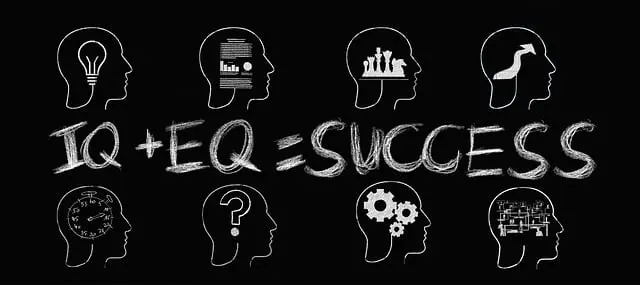
Emotional intelligence (EI) has become a pivotal element in the landscape of effective leadership. As organizations evolve, leaders are faced with new challenges that not only require technical skills but also a profound understanding of emotions—both their own and those of others. This article will explore the key components of emotional intelligence, its impact on team performance, strategies for developing these skills, real-life examples of emotionally intelligent leaders, common challenges in cultivating EI, and future trends in leadership that emphasize emotional competencies.
In the upcoming sections, we will delve into each aspect of emotional intelligence and its importance in fostering productive, collaborative, and trust-driven environments. We will also examine actionable strategies that leaders can implement to enhance their emotional awareness and self-regulation. Ultimately, this analysis aims to underscore why emotional intelligence is not just an asset but a necessity for successful leadership in today’s complex workplace.
Understanding Emotional Intelligence: Key Components and Their Relevance in Leadership
Emotional intelligence comprises several key components: self-awareness, self-regulation, social awareness, and relationship management. Self-awareness allows leaders to recognize their own emotions and how those emotions affect their interactions with others. It forms the foundational block of emotional intelligence, enabling leaders to comprehend their strengths and weaknesses, which is essential for obtaining trust and respect from team members.
Self-regulation involves the ability to manage and control one’s emotions in positive ways, particularly in challenging situations. This skill fosters an environment where leaders can make sound decisions rather than react impulsively. Moreover, social awareness and relationship management are crucial for navigating the complexities of interpersonal dynamics, which influence team effectiveness and overall organizational success.
The Relationship Between Emotional Intelligence and Team Performance: How It Fosters Collaboration and Trust
A high degree of emotional intelligence in leadership correlates strongly with enhanced team performance. Leaders who exhibit EI facilitate a culture of open communication, mutual respect, and authenticity, which are fundamental for team collaboration. When employees feel understood and valued, they are more likely to contribute ideas, offer feedback, and engage in collective problem-solving.
Trust, an invaluable commodity within teams, is significantly bolstered by emotionally intelligent leadership. When leaders model empathy and transparency, they lay the groundwork for stronger relationships among team members. This atmosphere not only drives individual performance but also collectively enhances productivity, innovation, and employee satisfaction, creating a symbiotic relationship between leadership and team success.
Developing Emotional Intelligence Skills: Practical Strategies for Leaders to Enhance Their Emotional Awareness and Regulation
To foster emotional intelligence, leaders can implement various practical strategies. Regular self-reflection is critical; dedicating time to evaluate one’s emotions, responses, and decision-making processes allows leaders to identify patterns and triggers. Additionally, seeking feedback from colleagues can provide valuable insights into how one's emotional behaviors are perceived, fostering greater self-awareness.
Another effective strategy is active listening. By fully engaging with others and prioritizing their perspectives, leaders can demonstrate social awareness and build stronger connections. Moreover, mindfulness practices such as meditation or deep-breathing exercises help leaders enhance their emotional regulation, enabling them to remain calm and composed during stressful situations.
Examples of Emotionally Intelligent Leaders: Case Studies of Successful Leaders Who Embody Emotional Intelligence
Numerous leaders have effectively demonstrated the power of emotional intelligence in their success stories. For instance, Satya Nadella, CEO of Microsoft, transformed the company culture by emphasizing empathy and collaboration. His approach to leadership encourages open dialogue and fosters a growth mindset among employees, ultimately driving innovation and enhancing team morale.
Similarly, Indra Nooyi, former CEO of PepsiCo, exemplified emotional intelligence by engaging deeply with her employees and stakeholders. She recognized the importance of their well-being and often expressed genuine care for their personal and professional development, which significantly boosted employee loyalty and commitment to the organization.
Challenges in Cultivating Emotional Intelligence: Common Obstacles and How to Overcome Them
Despite its significance, cultivating emotional intelligence can present challenges. Many individuals may struggle with self-awareness due to ingrained habits and biases, making it difficult to recognize their emotional responses. Additionally, environments that lack psychological safety may discourage open expression of emotions, leading to a reluctance in embracing vulnerability necessary for emotional growth.
To overcome these barriers, organizations can promote training programs focusing on emotional competencies or create support networks where leaders can share experiences and best practices. Encouraging a culture of openness and constructive feedback can also facilitate a more conducive environment for developing emotional intelligence among leaders at all levels.
Future Implications of Emotional Intelligence in Leadership: Trends and Predictions for Upcoming Leadership Challenges
As workplaces continue to evolve, the emphasis on emotional intelligence in leadership is expected to intensify. Future leadership challenges, such as managing remote teams or navigating crises, will require leaders to adopt a more emotionally attuned approach. An increased reliance on technology necessitates emotional intelligence to maintain human connections, engagement, and motivation among team members.
Moreover, as organizations prioritize mental health and employee well-being, leaders will need to champion emotional intelligence initiatives. The growing expectation that leaders exhibit empathy and emotional awareness will redefine optimal leadership styles, paving the way for a more compassionate and understanding workplace culture.
CONCLUSION
In conclusion, emotional intelligence is a cornerstone of successful leadership that significantly impacts team dynamics, performance, and organizational health. By developing emotional awareness, regulation, and relationship management skills, leaders can foster collaboration and trust within their teams. As the nature of work continues to change, embracing emotional intelligence will be crucial for navigating upcoming challenges, ensuring that leaders are equipped to inspire and motivate their teams effectively.
FAQs
What is emotional intelligence?
Emotional intelligence refers to the ability to recognize, understand, and manage our own emotions and the emotions of others. It encompasses skills like self-awareness, self-regulation, social awareness, and relationship management.
Why is emotional intelligence important for leaders?
Emotional intelligence is vital for leaders because it allows them to connect with their teams, foster collaboration, build trust, and navigate challenges effectively. Leaders with high EI can create a positive organizational culture that drives productivity and employee satisfaction.
How can leaders develop emotional intelligence skills?
Leaders can develop emotional intelligence by practicing self-reflection, seeking feedback, actively listening to team members, and engaging in mindfulness practices. Training workshops focusing on EI can also be beneficial for skill enhancement.