
INTRODUCTION
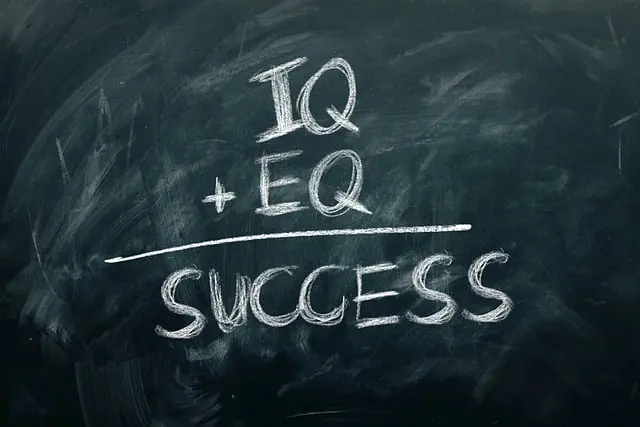
In today's dynamic and often tumultuous business environment, leadership significantly influences organizational success. One of the critical attributes that distinguish great leaders is emotional intelligence (EI). This article explores the essential components of emotional intelligence, its profound impact on team dynamics, and strategies for leaders to develop this skill. We will examine real-world examples of emotionally intelligent leaders and analyze how balancing emotions in decision-making enhances leadership effectiveness. Lastly, we will discuss the future of emotional intelligence in light of evolving workplace dynamics.
Understanding Emotional Intelligence: Its Components and How They Relate to Leadership
Emotional intelligence encompasses several key components, including self-awareness, self-regulation, motivation, empathy, and social skills. Self-awareness allows leaders to recognize their emotions and understand their effects on their performance and interactions with others. Self-regulation enables leaders to manage their emotions positively, ensuring they respond to challenging situations thoughtfully rather than reacting impulsively.
Motivation, another fundamental aspect, drives leaders to achieve goals beyond mere financial rewards, fostering a commitment to excellence. Empathy is the ability to understand and share the feelings of others, which is crucial for effective communication and relationship building. Together, these components form the foundation of a leader's ability to connect with their team and inspire them toward collective success.
The Role of Empathy in Leadership: Why Connecting with Team Members Is Essential for Success
Empathy plays a pivotal role in leadership by allowing leaders to forge meaningful connections with their team members. When leaders genuinely understand and listen to their employees’ perspectives, they create an environment of trust and respect. This connection encourages open communication, fostering collaboration, and enhancing overall team performance.
Moreover, empathetic leaders are better equipped to recognize their team's strengths and weaknesses. By addressing concerns with sensitivity and compassion, they can tailor their approach to meet individual needs, subsequently increasing morale and productivity. Ultimately, empathy not only nurtures relationships but also establishes a supportive culture where every team member feels valued.
Strategies for Developing Emotional Intelligence as a Leader: Practical Approaches to Enhance Self-Awareness and Interpersonal Skills
Leaders seeking to enhance their emotional intelligence can adopt several practical strategies. One effective approach is engaging in self-reflection. Setting aside time regularly to reflect on one’s emotions and reactions can improve self-awareness, helping leaders understand how their behavior affects others. Additionally, journaling emotional experiences can provide valuable insights into personal growth areas.
Participating in workshops and training focusing on emotional intelligence can further refine interpersonal skills. Building empathy involves active listening and asking open-ended questions to encourage dialogue. By honing these skills, leaders can strengthen their connections with team members, promoting an emotionally intelligent workplace culture.
Real-World Examples: Leaders Who Excel in Emotional Intelligence and Their Impact on Workplace Culture
Numerous successful leaders exemplify high emotional intelligence. For instance, Satya Nadella, CEO of Microsoft, transformed the company’s culture by promoting empathy and collaboration. His focus on inclusivity and understanding employees’ emotional landscapes led to a more innovative and motivated workforce.
Another notable example is Howard Schultz, former CEO of Starbucks, who prioritized emotional connection with both employees and customers. Schultz’s empathetic leadership style not only fostered a strong brand identity but also resulted in exceptional customer loyalty, proving that emotional intelligence can significantly enhance workplace culture and contribute to overall business success.
Balancing Emotions and Decision-Making: How Emotional Intelligence Leads to Better Leadership Outcomes
Amid decision-making, leaders with high emotional intelligence can navigate complex situations by balancing emotional considerations with logical reasoning. This balance allows them to acknowledge team members' emotional responses while making informed choices based on data and analysis.
Decisions made through an emotionally intelligent lens often lead to higher employee satisfaction and retention rates. When leaders show awareness of the emotional undercurrents at play, they can mitigate conflicts and build consensus more effectively, thereby fostering a positive work environment conducive to long-term success.
The Future of Emotional Intelligence in Leadership: Adapting to Changing Workplace Dynamics
As workplaces evolve with technological advancements and shifting cultural dynamics, the importance of emotional intelligence in leadership continues to grow. The rise of remote work environments necessitates leaders to find new ways to engage and connect with their teams. Therefore, cultivating emotional intelligence will be vital for leaders aiming to maintain engagement and foster a sense of belonging in a virtual landscape.
Moving forward, organizations increasingly recognize the intrinsic value of emotionally intelligent leaders. Investing in emotional intelligence training and development programs will be crucial in equipping leaders with the necessary tools to navigate future challenges and drive both team well-being and organizational success.
CONCLUSION
In conclusion, emotional intelligence is undoubtedly a cornerstone of successful leadership. By understanding and developing components such as self-awareness, empathy, and interpersonal skills, leaders can foster a supportive and productive work environment. The examples set by those who excel in emotional intelligence illustrate its profound impact on workplace culture. As the business landscape continues to shift, leaders equipped with emotional intelligence will not only adapt but thrive, steering their organizations towards lasting success.
FAQs
What is emotional intelligence?
Emotional intelligence refers to the ability to recognize, understand, and manage one's emotions and the emotions of others. It comprises components such as self-awareness, self-regulation, empathy, motivation, and social skills.
How can leaders develop emotional intelligence?
Leaders can develop emotional intelligence through self-reflection, participation in workshops focused on EI, and actively practicing empathy and effective communication with their team members.
Why is empathy important for leaders?
Empathy is crucial for leaders as it allows them to connect meaningfully with team members, promote trust, and create a positive work environment that fosters collaboration and increases overall productivity.