
INTRODUCTION
Emotional intelligence (EI) has emerged as a cornerstone of effective leadership and team dynamics in today's ever-evolving business landscape. This article will delve into the significance of emotional intelligence in leadership, focusing on its role in developing empathy, managing emotions during high-pressure situations, and cultivating a positive workplace culture. Additionally, we will explore real-life examples of successful leaders demonstrating EI and recommend training programs designed to enhance these essential skills.
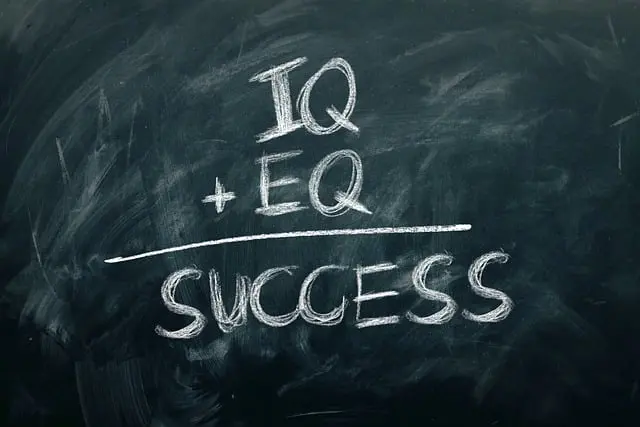
Leaders equipped with strong emotional intelligence are better prepared to navigate complex interpersonal relationships and foster an environment conducive to collaboration and trust. By understanding the crucial components of EI, leaders can drive their teams towards success, adaptability, and resilience, even in challenging times.
Understanding Emotional Intelligence: Its Role in Effective Leadership and Team Dynamics
Emotional intelligence encompasses the ability to recognize, understand, manage, and influence both one's own emotions and those of others. In leadership, this skill set is pivotal. Leaders who exhibit high levels of emotional intelligence are adept at creating an atmosphere where team members feel valued and engaged. They can read emotional cues, respond to conflict constructively, and cultivate meaningful relationships.
The interplay between emotional intelligence and effective leadership significantly shapes team dynamics. Leaders who prioritize EI nurture an environment where open communication and collaboration thrive. This positively impacts not only the team's morale but also their overall productivity and performance. When leaders embody emotional intelligence, they build a solid foundation of trust that inspires loyalty and commitment from their team members.
Developing Empathy: Techniques to Connect with Team Members on a Deeper Level
Empathy is a fundamental component of emotional intelligence that enables leaders to connect with their team members on a personal level. To enhance empathetic engagement, leaders can practice active listening, which involves genuinely considering a team member's perspective before responding. This creates a supportive atmosphere where individuals feel understood and valued, thereby fostering a stronger bond within the team.
Another technique includes recognizing and validating team members' emotions. Leaders can support their team's feelings by acknowledging challenges and successes alike. This validation can motivate staff and create an open line of communication, allowing for collaborative problem-solving and enhanced emotional connections.
Managing Emotions: Strategies for Leaders to Stay Composed and Make Rational Decisions Under Stress
Effective leaders must possess the ability to manage their emotions, particularly during high-stress situations. One strategy to achieve composure is mindfulness, which can help leaders pause, breathe, and assess their emotional state before reacting impulsively. Mindfulness practices encourage reflection and enable leaders to approach challenges with clarity and purpose rather than frustration or anxiety.
Additionally, setting clear boundaries is critical in managing stress. Leaders should strive to maintain their work-life balance, which allows them to better regulate emotions and approach decision-making with a level head. By promoting self-care and resilience within themselves, leaders not only model these behaviors for their team but also create a healthier organizational climate.
Cultivating a Positive Workplace Culture: How Emotional Intelligence Fosters Collaboration and Trust
Emotional intelligence actively contributes to cultivating a positive workplace culture where collaboration and trust flourish. Leaders can initiate this process by promoting transparency in their decision-making processes. When team members understand the reasoning behind choices made by leadership, they are more likely to feel secure and empowered in their roles.
Furthermore, prioritizing open dialogue within the organization nurtures an inclusive environment. Regular check-ins and feedback sessions allow team members to express concerns, share ideas, and celebrate achievements. As leaders leverage emotional intelligence to guide these interactions, they foster an ethos where innovation and teamwork are embraced.
Real-Life Examples: Successful Leaders Who Embody Emotional Intelligence
Several prominent leaders exemplify the power of emotional intelligence in their organizational leadership. For instance, Satya Nadella, Microsoft’s CEO, is widely regarded for transforming the company culture by emphasizing empathy, inclusion, and growth mindset. His approach has improved employee engagement and organizational performance, demonstrating the far-reaching impact of EI.
Similarly, Indra Nooyi, former Pepsico CEO, is celebrated for her empathetic leadership style. She prioritized understanding her employees’ needs and integrating family-friendly policies that resonated with her workforce, thus driving significant improvements in company morale and performance. Their success stories illustrate how emotional intelligence in leadership leads to sustainable and fruitful organizational outcomes.
Training Programs: Resources to Enhance Leaders' Emotional Intelligence Skills
To develop emotional intelligence further, various training programs and resources are available for leaders seeking to enhance their skills. Numerous workshops focus on topics such as emotional competency assessments, practical exercises in empathy-building, and techniques for managing stress effectively. These programs often combine experiential learning and theoretical knowledge to facilitate skill development.
Additionally, many online platforms offer courses specifically tailored to emotional intelligence for leaders. Engaging in these professional development opportunities not only empowers leaders but also fosters a culture of continuous learning within their organizations. By investing in emotional intelligence training, organizations can build resilient leadership that significantly benefits team dynamics and overall productivity.
CONCLUSION
In conclusion, emotional intelligence is indispensable for successful leadership and the enhancement of team dynamics. It emphasizes empathy, emotional management, and the cultivation of a positive workplace culture, creating an environment where collaboration and trust prevail. By embracing emotional intelligence, leaders can experience personal growth, foster meaningful connections, and ultimately drive their teams towards sustained success.
FAQs
What is emotional intelligence?
Emotional intelligence refers to the ability to recognize and manage one's own emotions, as well as the emotions of others. It encompasses skills such as empathy, emotional regulation, and effective communication.
Why is emotional intelligence important for leaders?
Emotional intelligence is crucial for leaders as it enables them to connect with team members, manage stress, make informed decisions, and cultivate a positive organizational culture that promotes collaboration and trust.
How can leaders develop their emotional intelligence?
Leaders can develop their emotional intelligence through various methods such as active listening, mindfulness practices, participating in training programs, and seeking feedback from peers and team members.
What are some benefits of having emotionally intelligent leadership?
Emotionally intelligent leaders tend to foster higher levels of employee engagement, job satisfaction, and productivity. They create resilient teams capable of navigating challenges collaboratively.