
INTRODUCTION
In the ever-evolving landscape of leadership, emotional intelligence (EI) has increasingly emerged as a cornerstone for effective management. This article explores the definition and significance of emotional intelligence in leadership, delving into the vital role of empathy, the strategies for developing EI skills, and its impact on team dynamics. Additionally, we will examine real-life examples of leaders with high emotional intelligence and offer techniques for assessing and enhancing your own emotional intelligence.
Understanding emotional intelligence not only enables leaders to connect better with their teams but also fosters an environment where collaboration can thrive. We will outline practical steps that leaders can take to further develop these essential skills, illustrating how emotional intelligence can lead to improved performance and morale within teams.
Understanding Emotional Intelligence: Its Definition and Relevance in Leadership
Emotional intelligence refers to the ability to perceive, assess, and manage one’s own emotions while recognizing and influencing the emotions of others. In the context of leadership, emotional intelligence is crucial as it impacts decision-making, interpersonal relations, and conflict resolution. Leaders who possess high EI can navigate challenging situations with greater ease, thus inspiring confidence and loyalty among team members.
The relevance of EI in leadership cannot be overstated. Research has shown that emotionally intelligent leaders are more successful in creating a positive work environment and achieving organizational goals. By understanding the needs and emotions of their team, these leaders can foster motivation, enhance collaboration, and cultivate a culture of trust and respect.
The Role of Empathy in Leadership: How Connecting with Team Members Fosters Trust and Collaboration
Empathy is a fundamental component of emotional intelligence and plays an indispensable role in leadership. It allows leaders to understand and relate to the feelings and perspectives of their team members. By demonstrating genuine concern and compassion, leaders can create a supportive environment that encourages open communication and collaboration.
When leaders engage empathetically, they build stronger relationships with their team. This connection not only enhances trust but also empowers individuals to express their thoughts and ideas without fear of judgment. A team that feels heard and valued is likely to be more productive and committed to achieving shared objectives.
Strategies for Developing Emotional Intelligence: Practical Steps Leaders Can Take to Enhance Their EI Skills
Developing emotional intelligence is a continuous process that requires intentionality and self-awareness. One effective strategy is to practice active listening, which involves fully focusing on, understanding, and responding to what others are saying. This skill not only improves communication but also demonstrates respect for team members' thoughts and opinions.
Leaders should also engage in self-reflection, which allows them to assess their emotional responses and recognize areas for improvement. By seeking feedback from peers and mentors, leaders can gain insights into their behaviors and attitudes, facilitating personal growth and enhancement of emotional intelligence competencies.
Impact on Team Dynamics: How Emotional Intelligence Influences Team Performance and Morale
The influence of emotional intelligence on team dynamics is profound. Teams led by emotionally intelligent leaders tend to have higher levels of engagement, creativity, and overall performance. By prioritizing emotional awareness, leaders can create an atmosphere where team members feel empowered and motivated to contribute effectively.
Additionally, emotionally intelligent leaders positively impact team morale. They create a culture of recognition and support, which boosts employee satisfaction and reduces turnover. As morale improves, teams become more resilient, cohesive, and capable of navigating challenges together, ultimately leading to enhanced productivity and success.
Real-Life Examples: Successful Leaders Who Exemplify High Emotional Intelligence
Several renowned leaders exemplify the principles of emotional intelligence. For instance, Satya Nadella, CEO of Microsoft, is well-known for his empathetic leadership style, which has transformed the company culture and fueled innovation. By emphasizing collaboration and emotional connection, he has effectively led the organization through significant changes.
Similarly, Jacinda Ardern, the Prime Minister of New Zealand, has demonstrated high emotional intelligence in her leadership approach, especially during challenging times. Her ability to express empathy and communicate genuinely has endeared her to her constituents, showcasing how EI can enhance public leadership and inspire positive change.
Assessing and Improving Your Own Emotional Intelligence: Tools and Techniques for Self-Reflection and Growth
Assessing one’s emotional intelligence can be facilitated through tools such as self-assessment questionnaires and 360-degree feedback mechanisms. These evaluations can help individuals understand their emotional responses and identify strengths and weaknesses in their EI capabilities. Engaging in reflective practices, such as journaling or meditation, can also promote deeper insights into one’s emotions and behavioral patterns.
To improve emotional intelligence, leaders can set specific goals related to their EI skills, such as enhancing active listening or developing greater empathy. Participating in workshops, coaching sessions, or even enrolling in courses focused on emotional intelligence can provide valuable learning opportunities and facilitate development.
CONCLUSION
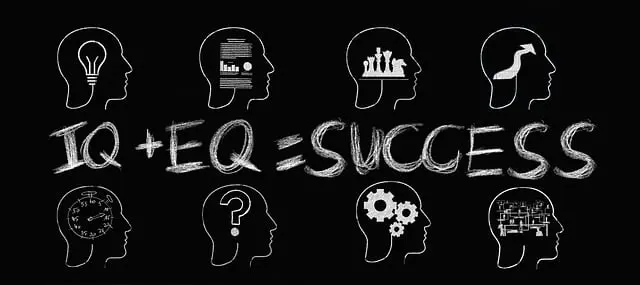
In conclusion, emotional intelligence is a critical skill for successful leadership. It encompasses understanding oneself and others, fostering trust through empathy, and enhancing team dynamics for improved performance. By developing emotional intelligence, leaders can create a positive and productive work environment that not only drives results but also nurtures the growth and well-being of their team members. Investing in EI is an invaluable step toward becoming an effective leader in today’s complex workplace.
FAQs
What is emotional intelligence?
Emotional intelligence is the capacity to recognize, understand, and manage our own emotions and those of others. It includes skills such as empathy, emotional regulation, and social skills.
How does emotional intelligence affect leadership?
Emotional intelligence affects leadership by enabling leaders to connect with their teams, foster trust, enhance collaboration, and create a positive work environment, ultimately leading to better performance and morale.
Can emotional intelligence be developed?
Yes, emotional intelligence can be developed through self-reflection, gaining feedback, practicing active listening, and engaging in training programs that focus on enhancing EI skills.