
INTRODUCTION
In today's fast-paced and interconnected business world, emotional intelligence (EI) is becoming increasingly vital for effective leadership. This article explores the multifaceted aspects of emotional intelligence, including its definitions, components, and significance in leadership roles. We will also address how leaders can develop self-awareness, foster empathy, strengthen social skills, make emotionally intelligent decisions, and cultivate a supportive work environment.
As we progress through each section, we will highlight best practices and techniques that can enhance emotional intelligence, ultimately contributing to more dynamic and successful leadership. Understanding and applying these concepts can lead to more productive teams and healthier workplace culture.
Understanding Emotional Intelligence: Definitions, Components, and Importance in Leadership
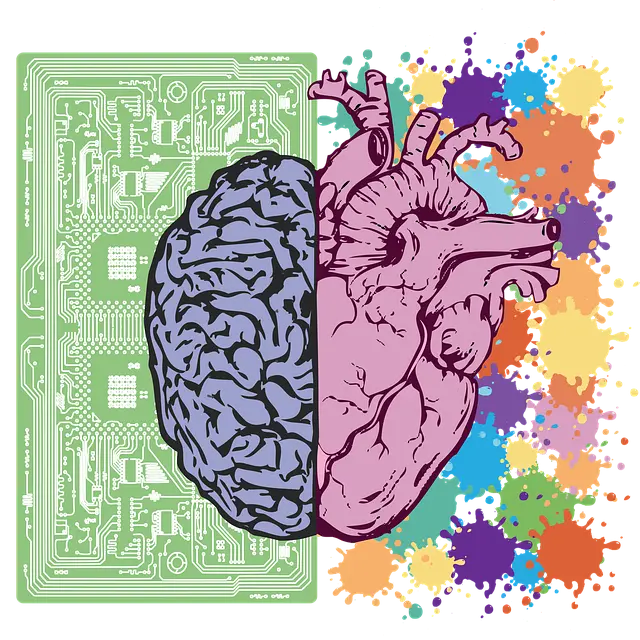
Emotional intelligence refers to the ability to recognize, understand, and manage our own emotions while simultaneously recognizing and influencing the emotions of others. Daniel Goleman, a key figure in the field, identifies five main components of EI: self-awareness, self-regulation, motivation, empathy, and social skills. Each of these elements plays a crucial role in leadership effectiveness.
The importance of emotional intelligence in leadership cannot be overstated. Leaders with high emotional intelligence can navigate complex interpersonal dynamics, respond to challenges more deftly, and inspire their teams. As such, cultivating EI becomes essential for any leader aiming to foster collaboration and positive engagement within their organizations.
Developing Self-Awareness: Techniques for Leaders to Recognize and Manage Their Own Emotions
Self-awareness is the foundation of emotional intelligence. It involves understanding one's emotions, strengths, weaknesses, and drives. For leaders, developing self-awareness can be achieved through reflection, mindfulness practices, and seeking feedback from peers and mentors. Regularly examining one's reactions and feelings in various situations can provide valuable insights into how one's emotions affect their behavior and interactions.
Another effective technique for enhancing self-awareness is journaling. By documenting thoughts and feelings regularly, leaders can identify patterns in their emotional responses, enabling them to manage their emotions effectively. This practice fosters a deeper understanding of personal triggers, allowing leaders to respond thoughtfully rather than react impulsively.
Empathy in Leadership: Fostering Better Team Relationships Through Understanding Others' Feelings
Empathy is the ability to understand and share the feelings of others, which is crucial for effective leadership. When leaders demonstrate empathy, they create an environment where team members feel valued and understood. This rapport can lead to improved morale, motivation, and overall team performance.
Leaders can enhance their empathetic skills by actively listening to their team members and being present during conversations. This involves not only hearing what is being said but also being attuned to non-verbal cues and emotions. By validating the experiences of others, leaders can build trust and deepen connections with their teams.
Building Social Skills: Essential Communication Strategies for Effective Leadership
Effective communication is at the heart of strong leadership. Developing social skills involves mastering verbal and non-verbal communication, active listening, and conflict resolution. Leaders must be able to convey messages clearly and persuasively while remaining approachable and open to feedback.
One effective strategy for building social skills is engaging in regular team-building activities that promote open dialogue and collaboration. Such initiatives can help leaders and team members practice communication skills in a supportive setting. Additionally, providing constructive feedback fosters a culture of continuous improvement and reinforces team cohesion.
Emotionally Intelligent Decision Making: How Awareness of Emotions Can Lead to Better Outcomes
Emotional intelligence plays a significant role in decision-making processes. Leaders equipped with high emotional awareness can consider the emotional impact of their choices on team members and organizational culture. This holistic approach leads to more informed decisions that consider not only data but also human factors.
Incorporating a diverse range of perspectives when making decisions is also essential. Engaging team members in discussions can illuminate varying viewpoints and increase the likelihood of finding innovative solutions. By valuing the input of others, leaders demonstrate that emotions and collaboration are critical components of effective decision-making.
Creating an Emotionally Supportive Work Environment: Best Practices for Promoting Emotional Well-Being in Teams
To cultivate an emotionally supportive workplace, leaders must prioritize mental health and well-being. Implementing regular check-ins, encouraging open conversations about mental health, and providing access to resources can significantly enhance the emotional climate of an organization.
Additionally, fostering a culture that embraces vulnerability and authenticity encourages employees to express their feelings without fear of judgment. Leaders who model this behavior create a sense of safety within the team, promoting a healthier and more engaged workforce. Furthermore, recognizing and celebrating achievements, no matter how small, can boost employee morale and cohesion.
CONCLUSION
Emotional intelligence is an indispensable quality for successful leaders. By understanding its various components—self-awareness, empathy, social skills, and decision-making—leaders can cultivate stronger relationships, foster collaboration, and create a supportive environment within their organizations. As emotional intelligence continues to gain recognition as a crucial aspect of effective leadership, prioritizing its development is essential for maintaining a motivated and high-performing team.
FAQs
What is emotional intelligence?
Emotional intelligence is the ability to recognize, understand, and manage one's own emotions as well as the emotions of others, which is essential for effective interpersonal communication and collaboration.
How can leaders improve their emotional intelligence?
Leaders can improve their emotional intelligence by practicing self-awareness, developing empathy, honing their social skills, and engaging in self-reflection and feedback processes.
Why is empathy important in leadership?
Empathy is vital in leadership because it fosters trust, strengthens relationships, and enhances team cohesion, resulting in a more motivated and engaged workforce.
What are some strategies for creating an emotionally supportive work environment?
Strategies include conducting regular check-ins, encouraging open conversations about mental health, providing access to resources, and celebrating team achievements to promote emotional well-being.