
INTRODUCTION
Emotional intelligence (EI) plays a vital role in effective leadership, encompassing several core competencies that leaders must master to optimize their influence and relationships. This article will explore various facets of emotional intelligence, including its definition, the significance of recognizing and managing emotions, the importance of empathy, and how these elements contribute to decision-making and building relationships within teams. Additionally, we will discuss the value of developing a growth mindset through emotional intelligence training for sustainable leadership success.
Understanding Emotional Intelligence: Defining Key Components and Their Relevance to Leadership
Emotional intelligence is often broken down into four primary components: self-awareness, self-management, social awareness, and relationship management. Each of these elements enables leaders to navigate their own emotions and understand the emotional signals of others. Self-awareness involves recognizing one’s emotional triggers and responses, while self-management focuses on regulating those emotions to respond appropriately in different situations.
Social awareness offers leaders insight into their team's emotions and dynamics, allowing them to build a cohesive work environment. Lastly, relationship management encompasses the ability to inspire, influence, and resolve conflicts effectively. These key components are crucial for leaders aiming to foster a positive organizational culture that enhances performance and retention.
Recognizing and Managing Emotions: Strategies for Leaders to Improve Emotional Awareness and Regulation
Effective leaders must develop strategies to enhance their emotional awareness and regulation. One approach is the practice of mindfulness, which helps individuals stay tuned to their emotional responses without judgment. Engaging in regular self-reflection can allow leaders to assess their emotional health and clarify how their feelings impact decision-making processes.
Moreover, creating a feedback-rich culture encourages open communication and emotional sharing among team members. Leaders can solicit constructive feedback about their emotional interactions with others, fostering an environment where everyone feels safe expressing their thoughts and feelings. This not only strengthens relationships but also builds trust within the team.
Building Relationships: How Emotional Intelligence Fosters Trust and Collaboration Among Team Members
Building strong relationships is essential for successful leadership, and emotional intelligence serves as the foundation for such connections. By understanding emotions and demonstrating empathy, leaders can create an atmosphere of trust and collaboration. This trust is built over time through consistent, authentic communication and actions that align with team values.
Furthermore, emotionally intelligent leaders encourage teamwork by recognizing individual contributions and celebrating collective successes. This acknowledgment fosters an inclusive environment where team members feel valued, leading to enhanced morale and productivity. The effort to establish strong interpersonal ties ultimately translates into increased engagement and commitment from the team.
The Role of Empathy in Leadership: Enhancing Connections and Communication with Team Members
Empathy is a critical element of emotional intelligence that significantly impacts leadership efficacy. Empathetic leaders possess the ability to understand and share the feelings of their team members, which paves the way for effective communication and connection. By practicing empathy, leaders can better handle challenges and conflicts, turning potential issues into productive discussions.
Additionally, empathetic leaders are more adept at supporting their employees through difficulties, whether personal or professional. Providing emotional support not only enhances individual well-being but also cultivates loyalty and trust across the organization. When team members feel understood and supported, they are likely to reciprocate with greater dedication and engagement.
Applying Emotional Intelligence in Decision-Making: Balancing Logic and Feelings for Effective Leadership
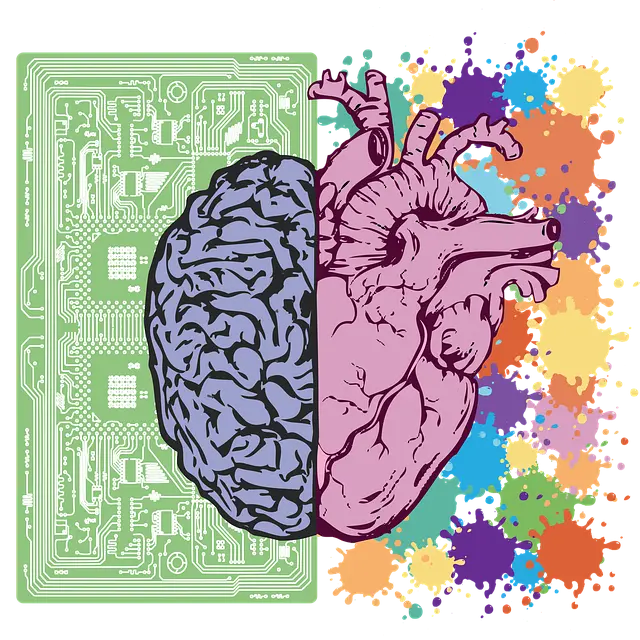
Decision-making is a complex process that can greatly benefit from emotional intelligence. Leaders who recognize the interplay between logic and emotions are more equipped to make balanced decisions that consider both data-driven insights and the emotional climate of their teams. This dual approach enables leaders to resonate with their teams while still executing sound business judgments.
Moreover, emotionally intelligent leaders engage stakeholders in the decision-making process, gathering diverse perspectives that enhance the richness of outcomes. By involving others, leaders not only validate their emotional experiences but also facilitate buy-in on business initiatives, leading to smoother transitions and implementations.
Developing a Growth Mindset: Encouraging Emotional Intelligence Training for Continued Leadership Success
To cultivate a sustainable culture of emotional intelligence, leaders should actively promote training and development opportunities for themselves and their teams. A growth mindset encourages continuous learning and adaptation, reinforcing the notion that emotional intelligence can be developed over time. Leadership programs focusing on emotional intelligence can provide valuable tools for enhancing self-awareness, empathy, and interpersonal skills.
Additionally, encouraging team members to pursue their personal growth within the realm of emotional intelligence creates a shared language for navigating conflicts and collaborations. This collaborative approach not only improves individual competencies but strengthens the overall effectiveness of the organization as well.
CONCLUSION
In conclusion, emotional intelligence is a fundamental component of successful leadership. By comprehensively understanding and applying its key elements—including emotion recognition, empathy, relationship-building, and informed decision-making—leaders can foster engaging and high-performing teams. As organizations continue to prioritize emotional intelligence, investing in training and development opportunities becomes key to cultivating a culture of enduring success.
FAQs
What is emotional intelligence?
Emotional intelligence refers to the ability to recognize, understand, and manage our emotions and the emotions of others. It encompasses self-awareness, self-management, social awareness, and relationship management.
Why is emotional intelligence important for leaders?
Emotional intelligence is important for leaders as it enhances their ability to connect with team members, build trust, and make balanced decisions. It allows leaders to navigate the complexities of human emotions, thereby improving overall team dynamics and performance.
How can leaders develop emotional intelligence?
Leaders can develop emotional intelligence through self-reflection, seeking feedback, engaging in training programs, and practicing mindfulness. These methods foster self-awareness and encourage an empathetic approach to leadership.