
INTRODUCTION
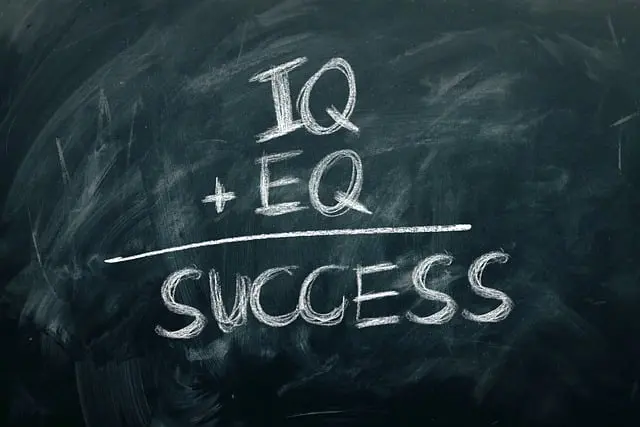
In today's dynamic work environment, effective leadership extends beyond managing tasks and achieving results; it encompasses understanding and navigating the emotional landscape of teams. This article will explore the significance of emotional intelligence in leadership, its components, and how it can foster a collaborative and trusting team environment. Furthermore, we will discuss conflict resolution techniques, methods to measure emotional intelligence, and how it influences organizational culture.
Understanding Emotional Intelligence: Its Components and Importance in Leadership
Emotional intelligence (EI) is defined as the ability to recognize, understand, and manage one's own emotions while also being sensitive to the emotions of others. It comprises five key components: self-awareness, self-regulation, motivation, empathy, and social skills. Leaders who possess a high level of emotional intelligence can better navigate complex interpersonal relationships and create an inclusive environment where team members feel valued.
The importance of emotional intelligence in leadership cannot be overstated. Leaders with strong EI are more adept at handling stress and conflict, fostering an atmosphere of transparency and trust within their teams. They inspire loyalty and engagement among employees, enabling organizations to nurture and retain talent effectively. By prioritizing emotional intelligence, leaders can enhance overall team performance and achieve sustainable success.
Building Emotional Intelligence: Strategies for Leaders to Enhance Their Self-Awareness and Empathy
To develop emotional intelligence, leaders must prioritize self-awareness—the ability to reflect on one's emotions and understand how they influence behavior. Techniques such as journaling, seeking feedback from colleagues, and engaging in mindfulness practices can help leaders gain insight into their emotional triggers and responses. By cultivating self-awareness, leaders can take measured actions rather than reacting impulsively to challenging situations.
Empathy, a cornerstone of emotional intelligence, enables leaders to connect with their team members on a deeper level. Leaders can enhance their empathetic abilities by actively listening, showing genuine interest in others' perspectives, and practicing compassion. These strategies not only foster stronger relationships within teams but also empower leaders to support their employees effectively during times of distress or change.
Leveraging Emotional Intelligence for Team Dynamics: Fostering Collaboration and Trust Within Teams
Emotional intelligence plays a pivotal role in shaping team dynamics. Leaders who leverage EI can facilitate collaboration by creating an open atmosphere where team members feel safe expressing their ideas and concerns. By promoting psychological safety, leaders encourage constructive feedback and innovative thinking, essential ingredients for team success.
Trust, another critical element of team dynamics, is built through consistent, emotionally intelligent behavior. Leaders must demonstrate honesty, integrity, and vulnerability, allowing team members to see them as relatable and trustworthy. When trust is cultivated, it leads to increased morale and engagement, ultimately enhancing team performance and productivity.
The Role of Emotional Intelligence in Conflict Resolution: Techniques to Navigate Disagreements Effectively
Conflict is an inevitable aspect of any workplace, but emotional intelligence equips leaders with the tools necessary to address disagreements constructively. EI allows leaders to remain calm in the face of adversity, enabling them to approach conflicts with an objective mindset. This ensures that solutions are based on rational discussion rather than emotional reactions.
Moreover, emotionally intelligent leaders employ active listening techniques and strive to understand each party's perspective. By acknowledging differing viewpoints and facilitating open dialogue, leaders can guide teams towards mutually beneficial resolutions that reinforce relationships rather than damage them. Consequently, embracing emotional intelligence in conflict resolution not only resolves issues but also strengthens team cohesion.
Measuring Emotional Intelligence: Tools and Methods to Assess Leaders' Emotional Competencies
Assessing emotional intelligence in leaders can offer valuable insights into their capabilities and areas for growth. Various tools and assessments, such as the Emotional Quotient Inventory (EQ-i) and other psychometric tests, are designed to evaluate different components of emotional intelligence. These assessments can help leaders identify strengths and weakness in their EI skill set.
Furthermore, 360-degree feedback mechanisms allow peers, subordinates, and supervisors to provide candid insights regarding a leader's emotional competencies. This comprehensive evaluation not only highlights current EI levels but also serves as a roadmap for development, ensuring leaders continually hone their emotional intelligence over time.
Emotional Intelligence and Organizational Culture: Creating a Positive Environment for High Performance
A leader's emotional intelligence significantly impacts the overall organizational culture. Organizations led by emotionally intelligent leaders tend to cultivate a positive work environment characterized by respect, open communication, and employee empowerment. By embedding emotional intelligence into the core values of an organization, leaders can instigate meaningful changes that resonate throughout the workforce.
Moreover, a culture steeped in emotional intelligence drives high performance. Employees feel valued and engaged, contributing their best efforts to align with organizational goals. As a result, companies that embrace and prioritize emotional intelligence are likely to experience increased employee satisfaction, retention, and productivity.
CONCLUSION
In conclusion, emotional intelligence is an indispensable trait for successful leadership. By understanding its components, implementing strategies to enhance self-awareness and empathy, and leveraging EI for improved team dynamics and conflict resolution, leaders pave the way for a positive organizational culture. Ultimately, investing in emotional intelligence development not only benefits individual leaders but also fosters a thriving workplace committed to excellence.
FAQs
What is emotional intelligence?
Emotional intelligence is the ability to recognize, understand, and manage our own emotions and to influence the emotions of others. It plays a critical role in effective leadership.
How can leaders improve their emotional intelligence?
Leaders can improve their emotional intelligence by practicing self-awareness, seeking feedback, engaging in active listening, and developing empathy through genuine interactions with team members.
Why is emotional intelligence important in conflict resolution?
Emotional intelligence is essential in conflict resolution because it allows leaders to maintain composure, understand differing perspectives, and facilitate constructive discussions, leading to amicable solutions.