
INTRODUCTION
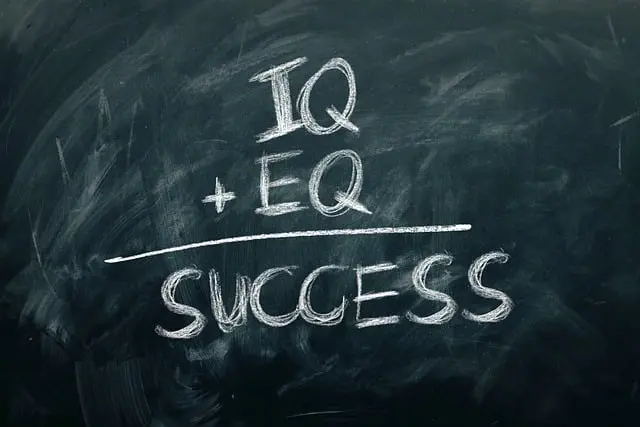
The concept of emotional intelligence (EI) has gained significant traction in recent years, particularly within the realm of leadership. This article will explore the multifaceted nature of emotional intelligence, providing insights into its components and how it can be applied effectively in leadership roles. We will delve into the role of empathy, strategies to develop EI, its impact on decision-making, challenges associated with it, and its future relevance in evolving workplace dynamics.
Understanding the critical role that emotional intelligence plays in leadership can transform the way leaders interact with their teams. By fostering an environment where emotional awareness and connection thrive, leaders can enhance team performance and create a more cohesive work culture. The following sections will examine each aspect of EI and its influence on successful leadership.
Understanding Emotional Intelligence: Its Components and Application in Leadership
Emotional intelligence encompasses several key components: self-awareness, self-regulation, social awareness, and relationship management. Self-awareness involves recognizing one’s emotions and understanding their implications, while self-regulation refers to managing those emotions effectively. Social awareness, on the other hand, allows leaders to perceive and understand the emotions of others, ultimately guiding their interactions to foster positive relationships.
In leadership, the application of emotional intelligence is paramount. Leaders who possess high EI can create strong connections with their team members, leading to increased employee engagement and satisfaction. Furthermore, such leaders are often viewed as more approachable and trustworthy, which enhances overall team morale and effectiveness.
The Role of Empathy in Effective Leadership: How Connecting Emotionally Drives Team Success
Empathy is a vital component of emotional intelligence and serves as the foundation for effective leadership. By understanding and empathizing with the emotions of team members, leaders can create a supportive environment that encourages open communication. This emotional connection fosters trust, allowing team members to feel valued and understood, which in turn motivates them to perform at their best.
Moreover, empathetic leaders are often better equipped to resolve conflicts within their teams. By acknowledging different perspectives and validating emotions, leaders can facilitate constructive dialogues that lead to resolution and collaboration. Ultimately, empathy enhances not only the individual experiences of team members but also boosts collective team success.
Strategies to Develop Emotional Intelligence: Practical Exercises and Self-Assessment Techniques
Developing emotional intelligence requires deliberate efforts and consistent practice. One effective strategy includes regular self-assessment to identify areas for improvement in one’s EI skills. Leaders can utilize tools like journaling, where they reflect on emotional responses during various situations, determining patterns that may need adjustment.
Additionally, engaging in active listening exercises can significantly enhance emotional intelligence. Leaders should practice being fully present during conversations, focusing on understanding rather than merely responding. This approach not only improves their EI but also cultivates an atmosphere of trust and collaboration within their teams.
Impact of Emotional Intelligence on Decision-Making: Fostering Trust and Collaboration
The impact of emotional intelligence extends to decision-making processes as well. Leaders with high EI tend to consider the emotional implications of their decisions, ensuring that the choices made resonate positively with their team. This awareness fosters an environment of trust and collaboration where team members feel involved and valued in the decision-making process.
Moreover, emotionally intelligent leaders can navigate complex interpersonal dynamics, using their social awareness to gauge reactions and adapt accordingly. This skill increases the likelihood of making informed decisions that consider the team’s sentiments and motivations, thereby enhancing overall buy-in and commitment to outcomes.
Overcoming Challenges in Emotional Intelligence: Addressing Biases and Improving Self-Awareness
While developing emotional intelligence is vital, several challenges can impede progress. One major barrier is the presence of implicit biases that may cloud judgment and hinder self-awareness. Leaders must actively confront these biases by seeking feedback from peers and team members, creating channels for honest dialogue about emotional responses and interactions.
Improving self-awareness also involves a willingness to embrace vulnerability. Leaders should recognize that acknowledging limitations and emotions is a strength rather than a weakness. By committing to continuous personal growth and development, they can enhance their emotional intelligence, leading to more effective and authentic leadership.
The Future of Emotional Intelligence in Leadership: Adapting to Evolving Workplace Dynamics
The future of emotional intelligence in leadership is promising, as today’s workplaces increasingly prioritize culture and emotional wellness. As organizations evolve, leaders must adapt their styles to meet the diverse needs of their teams, incorporating EI as a strategic advantage in driving engagement and retention.
Moreover, the rise of remote work and digital communication necessitates heightened emotional intelligence. Leaders must employ virtual tools that foster connection and emotional support, ensuring that team members feel engaged despite physical distances. Those who can effectively navigate these dynamics will stand out as transformative leaders in the modern business landscape.
CONCLUSION
Emotional intelligence is an essential attribute for successful leadership. Its components—self-awareness, empathy, and relationship management—are critical in creating effective teams and fostering collaboration. As leaders strive to enhance their emotional intelligence, they not only improve their own effectiveness but also contribute to a more empowered, engaged workforce. The challenges surrounding EI are surmountable with dedicated practice and a commitment to personal growth, making it a vital focus for leaders aiming to thrive in tomorrow's workplace.
FAQs
What is emotional intelligence?
Emotional intelligence refers to the ability to recognize, understand, and manage our own emotions as well as the emotions of others. It is a crucial skill for effective interpersonal interactions and leadership.
How can I improve my emotional intelligence?
You can improve your emotional intelligence through self-assessment, active listening, seeking feedback, and consistently reflecting on your emotional responses and interactions with others.
Why is empathy important in leadership?
Empathy is important in leadership because it helps build trust, enhances communication, and fosters a supportive team environment. Empathetic leaders are better able to connect with their teams, leading to improved morale and performance.
What role does emotional intelligence play in decision-making?
Emotional intelligence plays a significant role in decision-making by enabling leaders to consider the emotional impact of their choices, ultimately fostering trust and collaboration among team members.