
INTRODUCTION
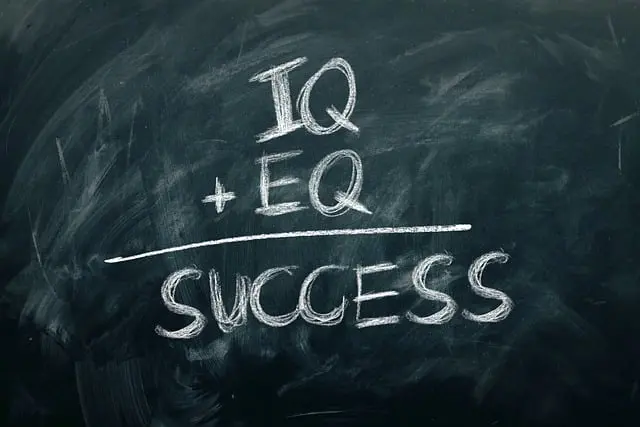
Emotional intelligence (EI) has become a cornerstone concept in effective leadership. It encompasses the ability to recognize, understand, and manage our own emotions while also recognizing and influencing the emotions of others. In this article, we will explore the various aspects of emotional intelligence, its significance in leadership, practical strategies for development, the importance of empathy, methods of measurement, and real-life examples of successful leaders who demonstrate high EI.
The dynamic landscape of modern workplaces necessitates that leaders are not just task-oriented but also skilled in emotional awareness. They must foster a culture where emotional well-being is prioritized, leading to enhanced team performance and satisfaction. As we delve deeper into the nuances of emotional intelligence, we will uncover how it can transform leadership practices and outcomes.
Understanding Emotional Intelligence
Emotional intelligence can be defined as a composite of four key components: self-awareness, self-regulation, social awareness, and relationship management. Self-awareness involves recognizing one's emotions and their effects, while self-regulation pertains to the ability to control impulses and emotions in various situations. Social awareness emphasizes understanding others' emotions and perspectives, and relationship management refers to the skills needed to manage interactions successfully.
These components work harmoniously to enable leaders to navigate complex interpersonal dynamics effectively. A leader with high emotional intelligence possesses the capacity to gauge team morale, express empathy, and create an inclusive environment conducive to collaboration and innovation.
Benefits of Emotional Intelligence in Leadership
The influence of emotional intelligence on leadership cannot be overstated. Leaders equipped with high EI foster better team dynamics as they can effectively communicate and respond to the emotional needs of their team members. This results in higher morale, increased trust, and a more cohesive work environment. As a result, employees feel valued and understood, which in turn drives performance.
Moreover, emotionally intelligent leaders are adept at conflict resolution and decision-making. They maintain composure in challenging situations and use their emotional insight to guide teams towards constructive solutions. This ability enhances overall organizational performance and cultivates a culture of resilience and adaptability.
Developing Emotional Intelligence
Improving emotional intelligence is not an inherent trait—rather, it can be cultivated through intentional practice and feedback. One effective strategy for leaders is to engage in self-reflection regularly. By evaluating their emotional responses and the impact of those responses on others, leaders can develop greater self-awareness and self-regulation skills.
Furthermore, seeking feedback from peers and subordinates can provide valuable insights into one's emotional behaviors. Participating in workshops or training focused on emotional intelligence can also present opportunities for growth. By actively enhancing their EI skills, leaders lay the groundwork for improved team engagement and productivity.
The Role of Empathy in Effective Leadership
Empathy serves as a vital component of emotional intelligence and is an essential quality for effective leadership. Being able to put oneself in another's shoes fosters stronger bonds between leaders and their team members. Empathetic leaders are better equipped to understand individual motivations, stresses, and challenges within their teams.
This emotional connection leads to open lines of communication, encouraging a safe space for employees to voice their concerns and suggestions. By fostering genuine connections, leaders develop loyalty and commitment, which are fundamental for a thriving work culture.
Measuring Emotional Intelligence
Assessing emotional intelligence can be feasible through various tools and assessments tailored for leaders. Psychometric tests such as the Emotional Quotient Inventory (EQ-i) or the Mayer-Salovey-Caruso Emotional Intelligence Test (MSCEIT) provide insights into an individual's EI competencies. These assessments help leaders identify areas for improvement and track their development over time.
Additionally, 360-degree feedback solicits input from various stakeholders within an organization, offering a comprehensive view of how a leader's emotional intelligence is perceived by others. Integrating such measures can assist leaders in creating a roadmap for enhancing their emotional intelligence skills.
Real-Life Examples
Several prominent leaders exemplify high emotional intelligence and the positive impact it has on their organizations. For instance, Satya Nadella, CEO of Microsoft, has transformed the corporate culture by emphasizing the importance of empathy and collaboration. His leadership style focuses on active listening and creating an inclusive environment, which has been pivotal in driving Microsoft's success.
Another notable example is Indra Nooyi, former CEO of PepsiCo, who is recognized for her empathetic approach in addressing employee well-being. Nooyi advocated for work-life balance initiatives and prioritized employee feedback, leading to increased loyalty and engagement within the company.
CONCLUSION
In conclusion, emotional intelligence is indispensable for successful leadership. It not only influences team dynamics but also drives organizational performance and employee satisfaction. As leaders seek to cultivate their emotional intelligence, they can ensure they are well-equipped to navigate the complexities of modern workplaces, foster connections, and empower their teams toward achieving collective goals.
FAQs
What is emotional intelligence?
Emotional intelligence refers to the ability to recognize, understand, and manage our own emotions as well as the emotions of others.
Why is emotional intelligence important in leadership?
Emotional intelligence enhances communication, fosters teamwork, and improves decision-making, ultimately leading to better organizational performance.
Can emotional intelligence be developed?
Yes, emotional intelligence can be cultivated through self-reflection, feedback, and training initiatives focused on emotional skills.
What are some tools for measuring emotional intelligence?
Tools such as the Emotional Quotient Inventory (EQ-i) or 360-degree feedback assessments can help measure and improve emotional intelligence in leaders.